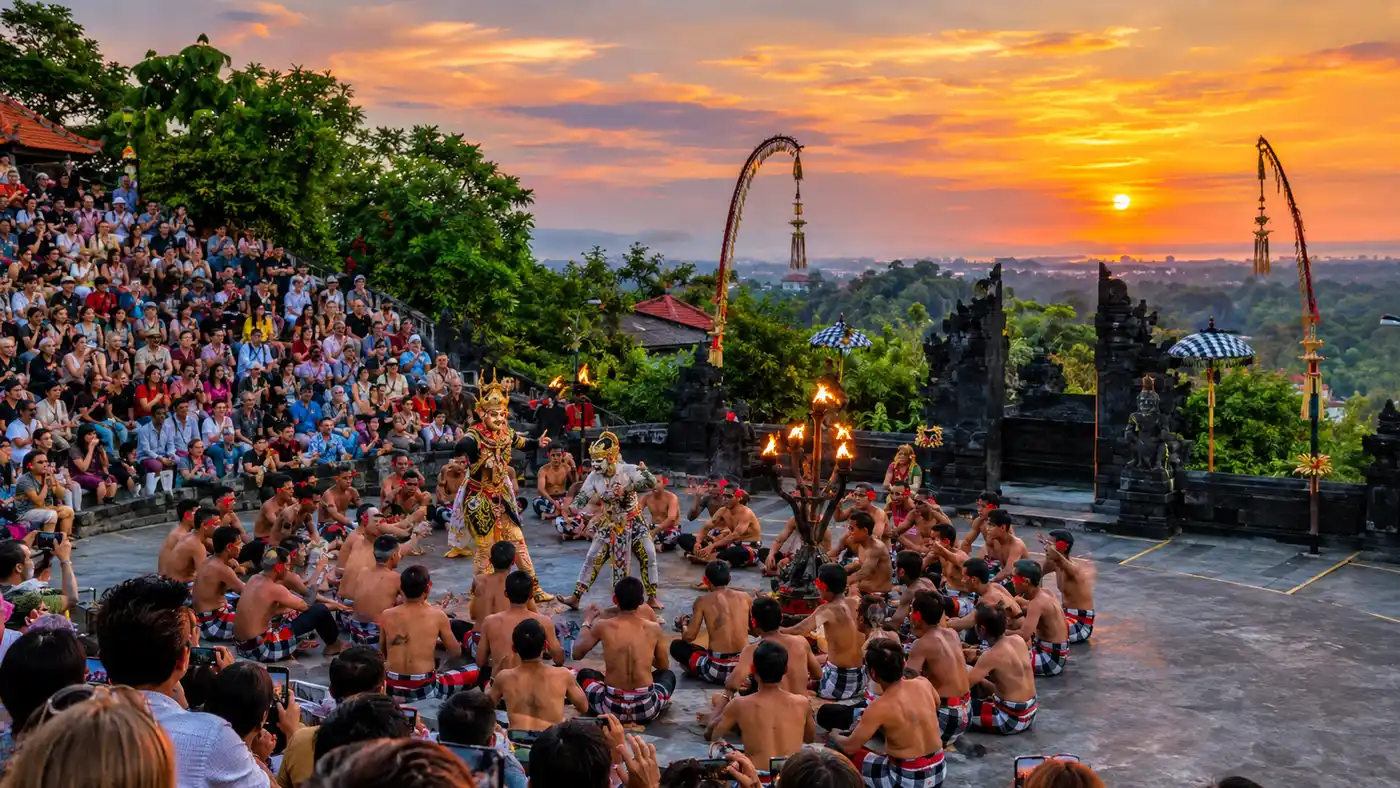
Ubud Kecak Dance Tickets and Prices
Walk down Jalan Raya Ubud past four in the afternoon and you will hear the exact same question every thirty paces. Men standing on the sidewalk hold small laminated signs, leaning in to whisper "Kecak tonight, boss?" into your ear. It sounds like a tourist hustle, and on your first afternoon here, your instinct is probably to keep your head down and walk faster. But buying your kecak dance ubud tickets directly from these street vendors or directly at the temple gate is actually standard procedure across Gianyar regency.
Every night of the week, different village communities host their own performance somewhere in town. The system is run by local neighborhood associations called banjars, which means the process of securing a seat is refreshingly low-tech. You don't need a voucher exchange desk, you rarely need an app, and you definitely do not need to pay an offshore tour operator thirty-five dollars for the privilege of sitting on a plastic stool. Here is how the pricing actually breaks down on the ground, who to pay, and how to avoid getting overcharged.
Book your kecak dance ubud experience:
Understanding the Kecak Dance Ubud Price and Where the Money Goes
The standard kecak dance ubud price is 100,000 IDR per person at almost every traditional village venue. That works out to about $6.50 USD, or around 6 Euros. A few venues - especially those that add an extended fire trance routine or rent private museum courtyards - bump the entry fee to 150,000 IDR, but you should never pay more than that for general admission at a temple courtyard.
If you are an international traveler calculating your kecak dance ubud koszt or checking daily holiday budgets, this is easily one of the cheapest evening activities in central Bali. Cash is absolute king here. I have seen visitors try to tap credit cards against folding card tables outside quiet temple gates, only to be sent jogging down the road in search of a working Mandiri ATM before the 7:00 PM opening chant.
What I love about this setup is the direct community funding. The money you hand over does not vanish into some faceless entertainment conglomerate. Instead, it pays the chorus of 50 to 70 men who spend an hour shouting, singing, and swaying in unison, along with the dancers, the costumers, and the temple upkeep fund. The young men selling passes on the sidewalk outside the soccer field are almost always banjar members working their shift for the neighborhood co-op.
| Venue Name | Show Days | Standard Ticket Price | Seating Type |
|---|---|---|---|
| Pura Dalem Taman Kaja | Wednesday & Saturday | 100,000 IDR | Concrete tiers & plastic chairs |
| Pura Dalem Puri (Peliatan) | Sunday | 100,000 IDR | Stone steps & temple courtyard |
| Padangtegal Kaja (Trenggana) | Monday & Friday | 100,000 IDR | Low benches & folding chairs |
| ARMA Museum Open Stage | Full & New Moon cycles | 150,000 IDR | Numbered plastic seating |
| Pura Dalem Ubud | Tuesday | 100,000 IDR | Stone courtyard steps |
How to Get Tickets for Kecak Dance Show in Ubud Without Overpaying
Figuring out how to get tickets for kecak dance show in ubud can feel confusing because there is no single central box office. Instead, tickets scatter across the town through three main channels, each with its own quirks and price points.
- Street banjar representatives: Guys holding laminated schedules near the Ubud Art Market, the Ubud Palace corner, or along Hanoman Street. They are selling authentic tickets for their specific banjar's show that evening. The price printed on the slip is what you pay.
- Temple entrance gates: Arriving at the venue between 6:00 PM and 6:30 PM allows you to buy straight from the elder sitting behind a wooden table. You hand over cash, they give you an entry paper and a photocopied plot synopsis.
- Local guesthouses and warungs: Your homestay host will happily sell you a kecak dance ubud tiket from their stash behind the front desk. They take a tiny commission from the banjar, but the ticket price for you stays identical to buying it at the gate.
- Online travel agencies: Sites like Viator or GetYourGuide package these exact seats with hotel pickups or private guides for anywhere from $18 to $45 USD. Unless you require an air-conditioned car from outer villages like Tegallalang, this markup is completely unnecessary.
Note: Always check the date stamped on your paper ticket if you buy from a street seller mid-day. A few independent scalpers occasionally try offloading yesterday's unsold stubs to tired walkers who aren't paying attention.
If you prefer knowing your options well ahead of time, check out our guide on where to watch kecak dance in Ubud to compare the atmosphere between inner-city temples and outer-village courtyards.
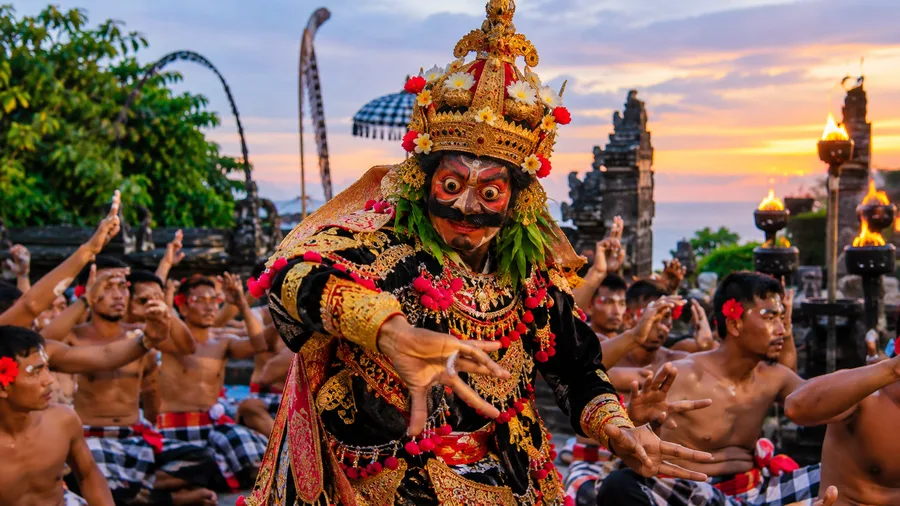
Picking the Right Venue for Kecak Fire Dance Ubud Tickets
Every temple stage offers a completely different physical experience. If you buy Pura Dalem Taman Kaja tickets, you are sitting in a semi-covered pavilion where the acoustics bounce the chant right off the roof beams. It is loud, intense, and claustrophobic in the best way possible.
Over at Pura Dalem Puri in Peliatan, the arena is wide open to the night sky. When the dancer kicking the burning coconut husks gets wild, the sparks float up past the towering frangipani trees. The kecak fire dance ubud tickets cost the same 100,000 IDR regardless of which stage you choose, so pick based on proximity to your dinner plans or the setting you prefer.
One tiny warning about rainy season: outdoor temples have to make quick decisions when heavy tropical downpours hit around 6:30 PM. Some venues relocate everyone under a tin-roofed community bale nearby, which makes the whole thing feel wonderfully authentic if a bit damp. Other open-air sites might delay the show by twenty minutes until the clouds blow past. Rain ponchos are sold for 15,000 IDR by quick-witted locals standing just past the ticket checkpoint.
Book your kecak dance ubud experience:
Are Kecak Fire and Trance Dance Ubud Tickets Worth Booking Online?
Tourists often ask if reserving kecak fire and trance dance ubud tickets through third-party apps is worth the peace of mind. Honestly, for 90% of travelers, the answer is no. Ubud has so many active banjars performing throughout the week that shows almost never sell out completely. The banjar elders will simply keep pulling out extra plastic stools until the courtyard is full.
There are two exceptions. If you happen to be visiting during peak travel weeks - think Christmas week through New Year, or the middle of August - booking ahead can save you from sitting behind a stone pillar. The other exception is traveling in a group larger than five or six people. If you want everyone seated together near the front row without arriving 50 minutes before showtime, booking an organized package through an agency makes logistical sense.
Pro tip: If you buy your ticket at the gate, aim to walk through the entry arches by 6:20 PM for a 7:00 PM show. That gives you first pick of the raised stone ledges where you can sit above the crowd without somebody's head blocking your view of the flames.
Keep in mind that online tickets often list the show under broader names like "Kecak Fire and Trance Dance" or "Ramayana Fire Ballet". Look closely at the venue address on the booking confirmation before you click buy. It is surprisingly common for tourists to buy a ticket online thinking it is at Ubud Palace, only to realize their voucher is for a stage out in Batubulan, twelve kilometers south through terrible afternoon traffic.
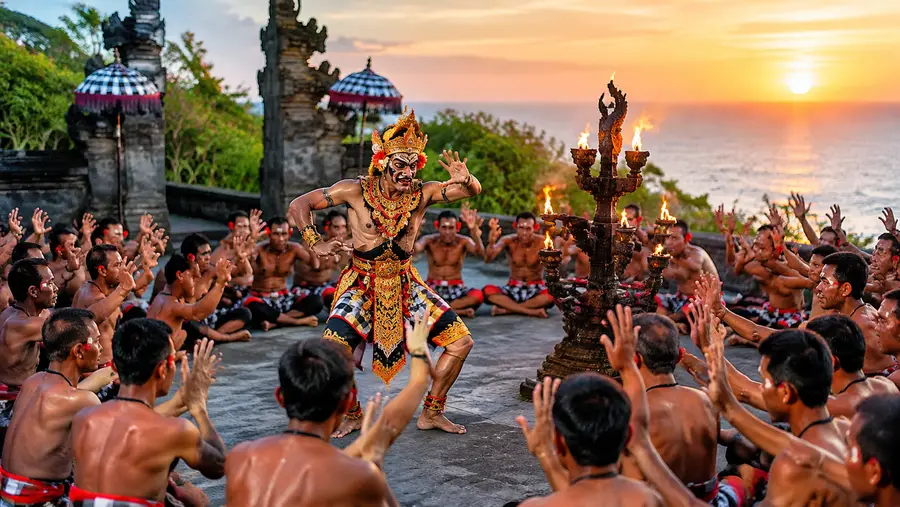
What Your Ticket Actually Covers (and What It Doesn't)
When you pay the standard kecak fire dance ubud price, you get admission through the temple split-gate (candi bentar) and a single printed sheet outlining the plot of the Ramayana epic. Take two minutes to read that paper before the chanting begins. The storyline moves through kidnappings, golden deer, monkey kings, and battles, and following the narrative without the summary sheet is nearly impossible if you aren't familiar with Hindu mythology.
Here is what your entry pass does and does not include:
- Temple dress etiquette: Unlike regular temple visits during the daytime, you usually do not need a traditional sarong and sash to enter a dance performance hosted in the outer courtyard (jaba pura). Modest clothing covering shoulders and knees is appreciated, but regular casual wear is widely accepted.
- Seat reservations: Your ticket is general admission. Nobody checks seat numbers because there aren't any. You walk in, scan the perimeter, and claim whatever open patch of bench or plastic chair you like.
- Photography privileges: Non-flash photography and phone video recording are included. You do not need a media pass, though banjar ushers will quickly scold you if you step inside the white chalk boundary line marked out for the performers.
- Post-show transport: Shows wrap up between 8:00 PM and 8:15 PM. Hundreds of audience members pour out into dark village lanes at the exact same moment. If you walked, you are fine. If you rely on Grab or Gojek, expect steep surge pricing or a 20-minute wait as drivers navigate the village gridlock.
One odd detail: the fire trance finale (Sanghyang Jaran) involves a dancer kicking burning coconut husks across the bare ground. If you sit in the front row on ground level, you will get gray ash and tiny specks of soot on your shoes and legs. It washes off easily with water, but don't wear brand-new white canvas sneakers to the show.
Frequently Asked Questions about kecak dance ubud tickets
Can I pay for my ticket with a credit card at the temple?
No. The vast majority of banjar-run venues operate strictly on cash in Indonesian Rupiah. Always withdraw small bills (50,000 or 100,000 IDR notes) before heading toward the venue gate, as change for large denominations can occasionally be tight early in the evening.
Do children need their own ticket?
Generally, children under five or six years old sit on their parents' laps for free. Kids older than seven are charged the standard adult price of 100,000 IDR, as seating capacity in the courtyards is tightly monitored by local banjar security.
What time should I buy my ticket if I want to go tonight?
You can buy a ticket from street banjar reps anytime after 3:00 PM, or simply walk up to the temple entrance gate around 6:15 PM. Showtimes are almost always at 7:00 PM or 7:30 PM depending on the venue.
Quick Reference
- Standard ticket price: 100,000 IDR ($6.50 USD)
- Payment method: Cash only at temple gates
- Best arrival window: 6:15 PM to 6:30 PM
- Show duration: Roughly 60 minutes
- Dress code: Casual, respectful clothing (sarong rarely required)
Book your kecak dance ubud experience:
The Bottom Line
Don't overthink buying your tickets or stress about reserving days in advance through third-party apps. Keep a couple of crisp 100,000 Rupiah bills in your pocket as you wander down Monkey Forest Road or Jalan Hanoman in the late afternoon. When you see a local seller offering a pass for tonight's show, buy it directly from them, grab an early coconut or bowl of soup at a nearby warung, and stroll over to the temple courtyard by six-twenty. It remains one of the rawest, most electrifying cultural hours you can spend in Southeast Asia, and the simple, low-key ticket process is part of its charm.
Read more about kecak dance ubud.